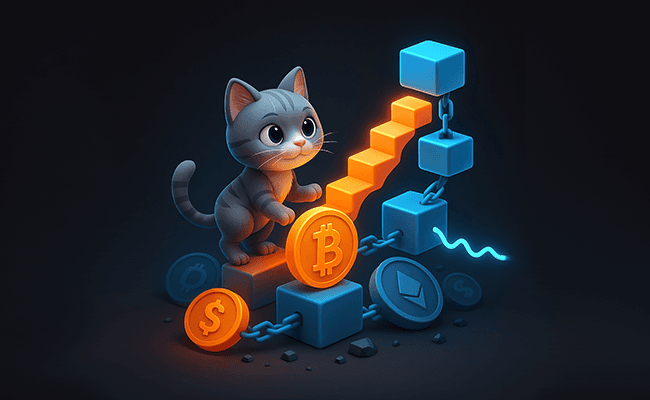
Imagine you’re on a busy highway during rush hour. Cars crawl bumper to bumper, horns blaring, everyone frustrated. Now imagine an express lane opens above the highway—fast, smooth, and far less crowded. That’s what a Layer 2 solution does for a blockchain.
When blockchains get too busy, transactions slow down and fees rise. Layer 2 technology builds “express lanes” that handle traffic off the main chain but still connect securely to it. The result? Faster, cheaper, and smoother rides for everyone.
What Is a Layer 2 Solution?
Layer 2 refers to systems built on top of a blockchain (Layer 1) like Ethereum or Bitcoin. Instead of every single transaction crowding the main network, Layer 2 processes them separately, then reports the results back to the main chain.
It’s like moving small, local trades into side streets and only sending the final summary to the main highway.
How Do Layer 2 Solutions Work?
There are different types of Layer 2 systems, but they all share the same goal: reduce congestion and cost.
• Rollups: Bundle hundreds of transactions together and post them as one on the main chain.
• State Channels: Let users transact privately many times, then record the final balance on the blockchain.
• Sidechains: Separate blockchains connected to the main one, handling their own traffic but linked by bridges.
Each approach helps scale the blockchain, like building new express lanes in different styles.
Why Do Layer 2 Solutions Matter?
Without Layer 2, popular blockchains would become too expensive and slow for everyday use. Imagine paying $50 just to buy a cup of coffee with crypto—that’s what happens when fees spike.
Layer 2 makes blockchains usable by:
• Lowering Fees: Transactions cost pennies instead of dollars.
• Boosting Speed: Thousands of transactions per second instead of dozens.
• Expanding Access: Makes blockchain practical for gaming, payments, and apps used by millions.
Real-Life Examples
• Lightning Network (Bitcoin): Lets people send Bitcoin almost instantly and for tiny fees.
• Optimism and Arbitrum (Ethereum): Rollup-based systems that make Ethereum apps faster and cheaper.
• Polygon (Ethereum sidechain): A popular chain for NFTs and games that connects back to Ethereum.
The Challenges
Layer 2 is powerful, but it’s still new. Some systems are complex and can be confusing for beginners. Others are less secure than the main chain, since they rely on different operators or bridges. And while Layer 2 makes things faster, users still depend on Layer 1 for ultimate security—so the two layers must work together carefully.
Fun Fact
In 2021, Ethereum gas fees once soared over $200 per transaction during busy times. That’s like paying $200 in tolls just to drive across town! Layer 2 solutions were built to stop exactly that kind of madness. And there you go! Now you know what Layer 2 solutions are, how they work, and why they’re key to making blockchain faster, cheaper, and ready for the future.